
Understanding Menopause & Its Impact on Sex
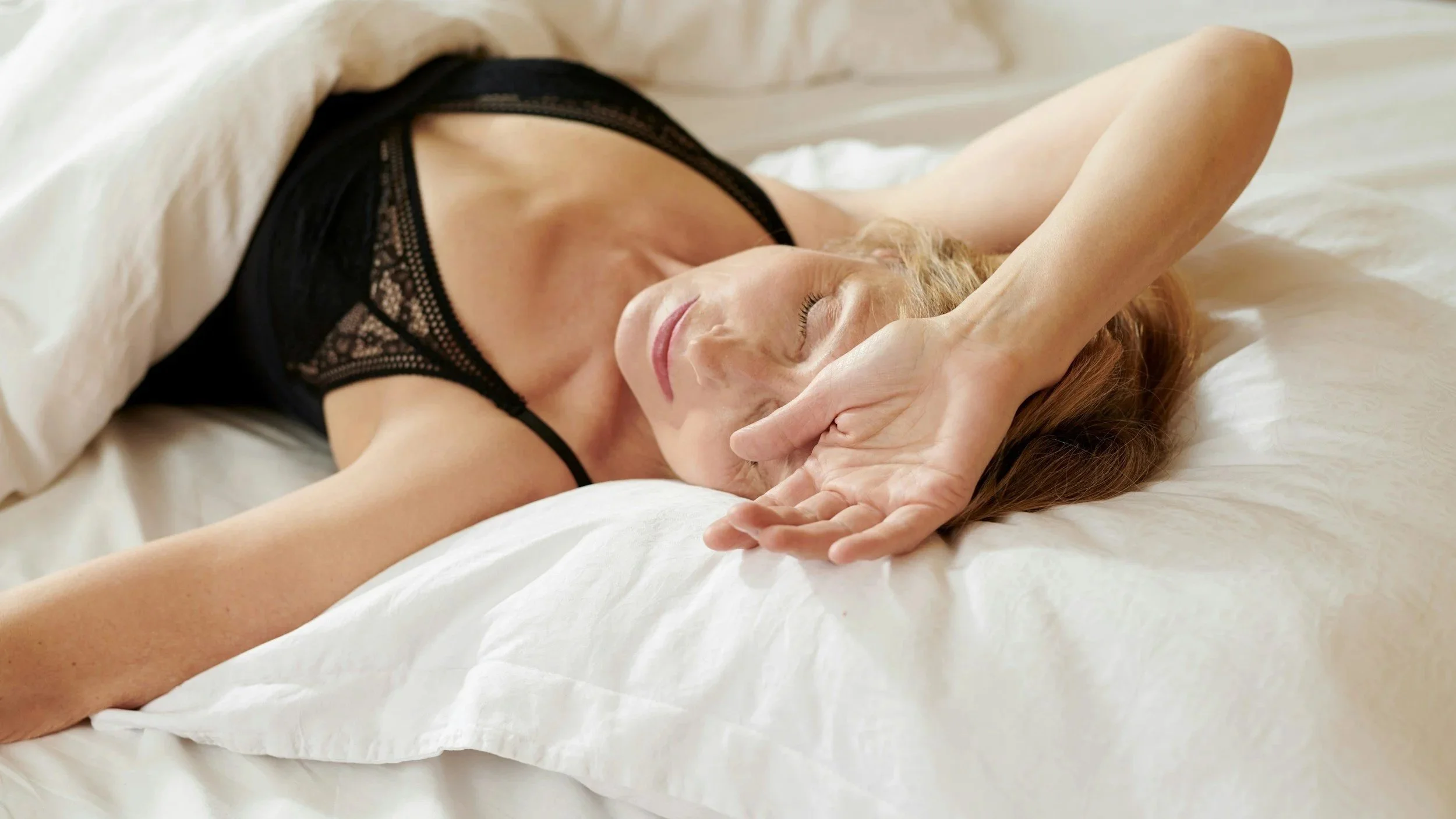
Menopause is simply defined as the last menstrual period. It is a natural part of ageing in which the ovaries gradually produce less oestrogen and stop releasing eggs. The reduction in oestrogen affects people across a wide spectrum, meaning no two experiences of menopause are the same.
Menopause can also occur as a result of certain medical treatments or surgical procedures, including chemotherapy or surgery to remove the ovaries. And while menopause is most commonly associated with women, transgender men can also be affected.
Can I Have Menopausal Symptoms While Still Having Regular Periods?
Yes, absolutely. Perimenopause refers to the period of hormonal transition leading up to menopause, during which symptoms can begin even while periods are still regular. On average, most people experience menopausal symptoms for around seven years, though this varies considerably from person to person.
Does Menopause Mean the End of a Good Sex Life?
Far from it. Hormonal changes do not have to mean the end of pleasurable sex. Some people do find that sex becomes more challenging during this time, for a range of reasons including changes in desire, anxiety, or physical changes to the body. Understanding what is driving those changes is the most useful starting point, because different causes point toward different solutions. It is also worth noting that contraception is still recommended during the perimenopausal phase, as pregnancy remains possible until menopause is confirmed.
Vaginal Atrophy and What it Means for Sex
Lower oestrogen levels can cause structural changes to the vagina, sometimes described as the vaginal tissue thinning or becoming less elastic. This is known as vaginal atrophy, and it can affect both the vagina and the bladder. Common symptoms include vaginal dryness, pain during sex or masturbation, a burning sensation around the labia, frequent vaginal infections, recurrent urinary tract infections, and worsening bladder symptoms such as incontinence.
These symptoms are very common and very treatable, yet many people do not seek help. A survey by Menopause Matters found that 88 percent of women experienced vaginal dryness, and that 80 percent of those who were sexually active reported avoiding physical intimacy with a partner because of it. A significant proportion also reported an impact on their confidence, self-image, and general wellbeing. Thirty-seven percent of those affected had not sought any help at all, often because they assumed it was simply a normal part of ageing or felt too embarrassed to raise it.
Vaginal dryness during and after menopause is common, but living with it without support is not something anyone has to do.
What Can Help with Vaginal Atrophy
If you are experiencing any of the symptoms above, speaking to your GP is a good first step. Over the counter vaginal lubricants and moisturisers can provide meaningful relief for vaginal dryness. Low dose topical oestrogen, available as a cream, tablet, or ring, can also be prescribed by a GP where appropriate. This is often effective for vaginal dryness and can be used on its own or alongside other treatments.
What if I Have No Desire to Have Sex?
Loss of libido during menopause is common and usually has more than one cause. Menopause can directly affect hormone levels and reduce sex drive, but other factors often contribute too, including anxiety around sex, fear of penetration due to vaginal dryness, or disrupted sleep from night sweats. Because the causes are individual, treatment works best when it is tailored to the specific picture rather than applied as a blanket approach.
Speaking to a GP is an important step, as they can assess your symptoms and explore what might help. Options might include lifestyle support, psychological input such as cognitive behavioural therapy, hormonal replacement therapy, or testosterone gels. If you are considering herbal remedies, it is worth letting your healthcare professional know beforehand, as some may interact with other medications.
Why Sex Actually Exists
Sex Actually exists because too many people have been left out of sex education, or taught only narrow versions of what intimacy and pleasure should look like.
Our aim is to offer inclusive, evidence-informed education that supports real experiences, real bodies, and real relationships. We are here to make conversations about sex, relationships, and wellbeing accessible, shame-free, and relevant for everyone, so you can understand yourself and others with greater confidence, curiosity, and care.
If this article sparked reflection or curiosity, you might like to explore our writing on desire, body image, sex after cancer, and hormonal health.