
Erectile Dysfunction: Understanding the Causes & What Can Help
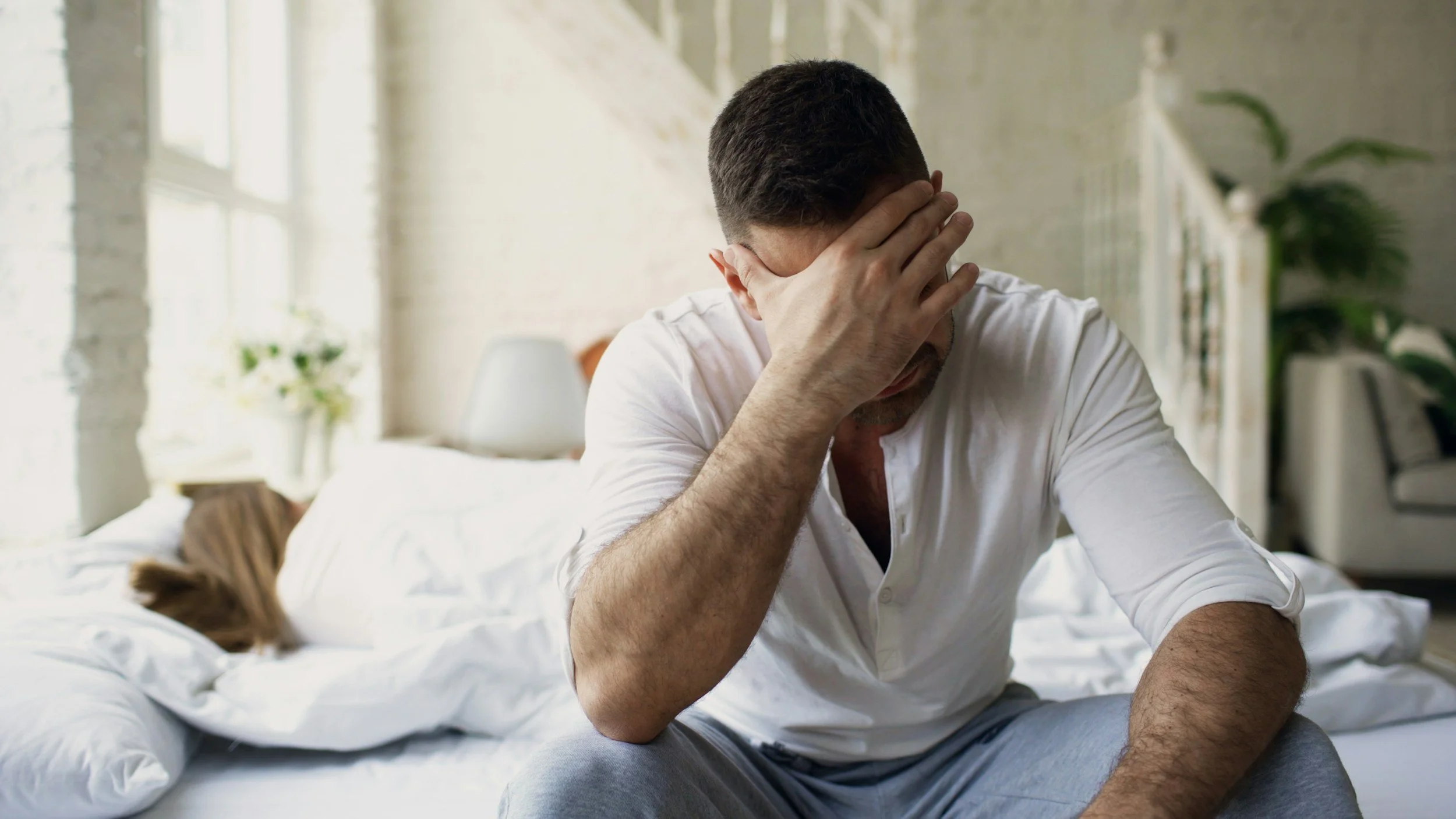
Erectile dysfunction, sometimes called ED, is far more common than most people realise, and far more complex than it is usually portrayed. It is not simply a physical malfunction, and it is not a reflection of how attracted you are to a partner, how masculine you are, or how healthy your relationship is. For many people, the psychological side of ED is just as significant as the physical and understanding that connection is often the first step toward changing things.
This article is for anyone with a penis who experiences difficulty getting or maintaining an erection, regardless of age, gender identity, or relationship status.
First: Rule Out Physical Causes
Before exploring the psychological side of ED, it is important to say clearly that erectile difficulties can have physical causes, and these should always be investigated first. ED can be an early indicator of cardiovascular disease, diabetes, hormonal imbalances, neurological conditions, or the side effects of medication.
This is not said to alarm you, but because getting the right care is important. Seeing a GP or urologist is an important first step and not something that should be put off out of embarrassment. A doctor can run simple tests to check for underlying physical causes and rule them out before other approaches are considered.
Physical and psychological causes can also exist at the same time, and addressing one without the other may not be enough. Many people find that even after a physical cause has been treated, the psychological patterns that developed around ED persist and need their own attention.
What is Erectile Dysfunction?
Erections result from a complex interplay among the nervous system, blood flow, hormones, and psychological state. When any part of that system is disrupted, erections can become unreliable, harder to achieve, or difficult to maintain.
ED is not one single experience. It might mean:
Difficulty getting an erection at all
Getting an erection but losing it during sex
Erections that feel less firm than before
Erections that happen easily during masturbation but not with a partner, or vice versa
That last point is particularly important. If erections occur during sleep, during masturbation, or in some situations but not others, this strongly suggests that psychological factors may be playing a significant role.
The Psychological Side
The mind and body are in constant conversation during sex. Arousal does not begin in the genitals; it begins in the brain. When psychological factors interfere with that process, the physical response follows.
Performance Anxiety
Performance anxiety is one of the most common psychological contributors to ED, and one of the most self-reinforcing. It often begins with a single experience of losing an erection, perhaps due to tiredness, stress, or alcohol, which then triggers worry about whether it will happen again. That worry itself creates tension during sex, making erections harder to achieve, which increases anxiety further.
This cycle can develop quickly and become very entrenched. The person experiencing it may find it difficult to stay present during sex, noticing that their attention is pulled toward thoughts about whether an erection is firm enough, whether it will last, or whether they are about to "fail." This kind of self-monitoring, sometimes called spectatoring in psychosexual therapy, pulls attention away from sensation and pleasure and into anxious observation, which is one of the most significant barriers to arousal.
Mental Health Difficulties
Mental health difficulties of many kinds can have a direct impact on sexual function. Depression, for example, can reduce desire, lower energy, and affect the neurological pathways involved in arousal. Anxiety is particularly relevant, and understanding why can be genuinely helpful.
When we feel anxious, the nervous system shifts into a state of high alert, sometimes described as fight, flight, or freeze. This is the body's protective response to perceived threat. In this state, physiology changes rapidly: blood is redirected to the large muscle groups, preparing the body to run or fight, and away from the genitals. Heart rate increases, muscles tense, and the body becomes primed for action rather than relaxation. Erections require the opposite conditions: a calm nervous system, good blood flow to the penis, and a felt sense of safety. Anxiety and arousal are, in a very real physiological sense, pulling in opposite directions.
Addressing anxiety directly, whether through therapy, medication, lifestyle changes, or a combination, can make such a significant difference to erectile function. The nervous system needs to feel safe enough to allow arousal to happen, and that is something that can be supported and developed over time.
It is also worth noting that medication prescribed for depression and anxiety can itself affect sexual function. If this is a concern, it is worth discussing openly with a prescribing doctor, as alternatives or adjustments may be available.
We are also developing a downloadable resource that maps out the anxiety and ED cycle visually, which you will be able to find in our resources section.
Stress and Mental Load
Everyday stress, whether from work, finances, family, or life pressures, overlaps significantly with anxiety in how it affects the body. Chronic stress keeps the nervous system in a similar state of alertness, elevating cortisol levels, which can suppress testosterone and interfere with the physical mechanisms of erection. Many people find that ED improves significantly during periods of lower stress, which is itself useful and reassuring information.
Relationship Difficulties
Intimacy does not exist in isolation from the rest of a relationship. Unresolved conflict, emotional distance, communication difficulties, or a lack of felt safety with a partner can all affect sexual function. ED in a relationship context is sometimes the body's way of signalling that something in the emotional dynamic requires attention. We explore this in more detail in our article on talking to your partner about erectile dysfunction, which you can find here.
Pornography
There is growing clinical discussion around the relationship between frequent pornography use and erectile difficulties, particularly in younger people. The theory is that repeated exposure to highly stimulating pornography can affect the brain's arousal thresholds over time, making it harder to become aroused by real life sexual experiences that feel less intense by comparison. It remains an area of ongoing research and debate. If you notice that erections occur easily during pornography use but not during partnered sex, it may be worth reflecting on your relationship with pornography and discussing it with a psychosexual therapist.
The Cycle of Avoidance and Safety Behaviours
One of the most common consequences of ED is avoidance. People begin to avoid sexual situations to protect themselves from anticipated failure, embarrassment, or the difficult conversations that might follow. While understandable, avoidance tends to reinforce the problem over time, increasing anxiety around sex and making it harder to return to intimacy.
Avoidance can also create distance within relationships. A partner may notice the withdrawal without understanding the reason behind it, and may interpret it as rejection, loss of attraction, or a sign that something is wrong between you. Without open communication, both people can end up feeling more isolated and confused than before, even though neither intended that outcome. This is one of the reasons why talking to a partner, however daunting that feels, is often such an important part of addressing ED.
Alongside avoidance, many people develop what are sometimes called safety behaviours, things done to manage anxiety in the moment that can inadvertently maintain the problem over time. A common example is relying on medication such as Viagra to achieve an erection. While these medications can be genuinely helpful and are sometimes an appropriate part of treatment, using them as the only strategy can lead to a belief that erections are impossible without them. Over time this can increase rather than reduce anxiety, as the medication becomes something the person feels they cannot do without.
Breaking the cycle often involves gradually lowering the stakes around sexual encounters, removing the pressure of erection and penetration as the goal, and rebuilding a more relaxed and curious relationship with intimacy. This is something a psychosexual therapist can support you with directly.
Practical Approaches That Can Help
Sensate Focus
Sensate focus is a well established psychosexual therapy technique that involves structured, gradual touch exercises designed to take the pressure off performance and rebuild connection with sensation and pleasure. It typically involves a series of stages, beginning with non-genital touch and gradually progressing, with penetration and orgasm explicitly off the agenda in the early stages. This removes the performance pressure that drives anxiety and allows the nervous system to relearn that intimacy can feel safe and pleasurable. You can find a guide to sensate focus in our resources section. You can find a guide on sensate focus in our resources section.
Gaining and Losing
A technique sometimes used in psychosexual therapy involves deliberately allowing an erection to subside and then rebuilding it, either alone or with a partner. The aim is to challenge the belief that losing an erection is a catastrophe, and to build confidence that arousal can return. Over time this can significantly reduce performance anxiety by demonstrating that erections are not fragile or all or nothing. You can find a guide on how to do the gaining and losing exercise on our resources page.
Mindfulness
Mindfulness based approaches can help address the spectatoring and self-monitoring that drive performance anxiety. Learning to redirect attention to physical sensation and present moment experience, rather than to anxious self-observation, can meaningfully improve sexual function.
Psychosexual Therapy
If ED is significantly affecting your quality of life or your relationship, working with a qualified psychosexual therapist is one of the most effective approaches available. A therapist can help you identify the specific psychological patterns driving the difficulty and work through them in a structured and supportive way.
Medical and Physical Treatments
Psychological approaches are well evidenced and can be very effective, but they are not the only option, and they are not the right fit for everyone. Some people find it difficult to engage with therapy, do not have easy access to it, or simply prefer to explore medical routes first or alongside psychological work. All of those are valid positions.
Medical treatments for ED are available and worth knowing about. These include:
Oral medications such as sildenafil (Viagra) or tadalafil (Cialis), which work by increasing blood flow to the penis and are effective for many people. They do not increase desire but can make erections easier to achieve when arousal is present.
Cock rings, which are worn around the base of the penis once some arousal is present, and work by restricting blood flow out of the penis, helping to maintain a firmer erection for longer. They are widely available, relatively straightforward to use, and many people find them a useful and accessible option.
Vacuum erection devices, sometimes called penis pumps, which draw blood into the penis to create an erection. Some people find them effective; others find them cumbersome or disruptive to spontaneity.
Penile injections, which involve injecting medication directly into the penis to produce an erection. These are more invasive but can be effective when oral medications have not worked.
Surgical options, including penile implants, which are typically considered when other treatments have not been successful.
None of these should be pursued without speaking to a GP or urologist first. A healthcare professional can assess whether there are underlying physical causes, discuss which options are most appropriate for your situation, and explain the benefits and limitations/risks of each.
Why Sex Actually Exists
Sex Actually exists because too many people have been left out of sex education, or taught only narrow versions of what intimacy and pleasure should look like.
Our aim is to offer inclusive, evidence-informed education that supports real experiences, real bodies, and real relationships. We are here to make conversations about sex, relationships, and wellbeing accessible, shame-free, and relevant for everyone, so you can understand yourself and others with greater confidence, curiosity, and care.
If this article sparked reflection or curiosity, you might like to read our article on talking to your partner about erectile dysfunction, or explore more of our writing on desire, performance anxiety, and intimacy after difficulty.