
Sex and Body Image
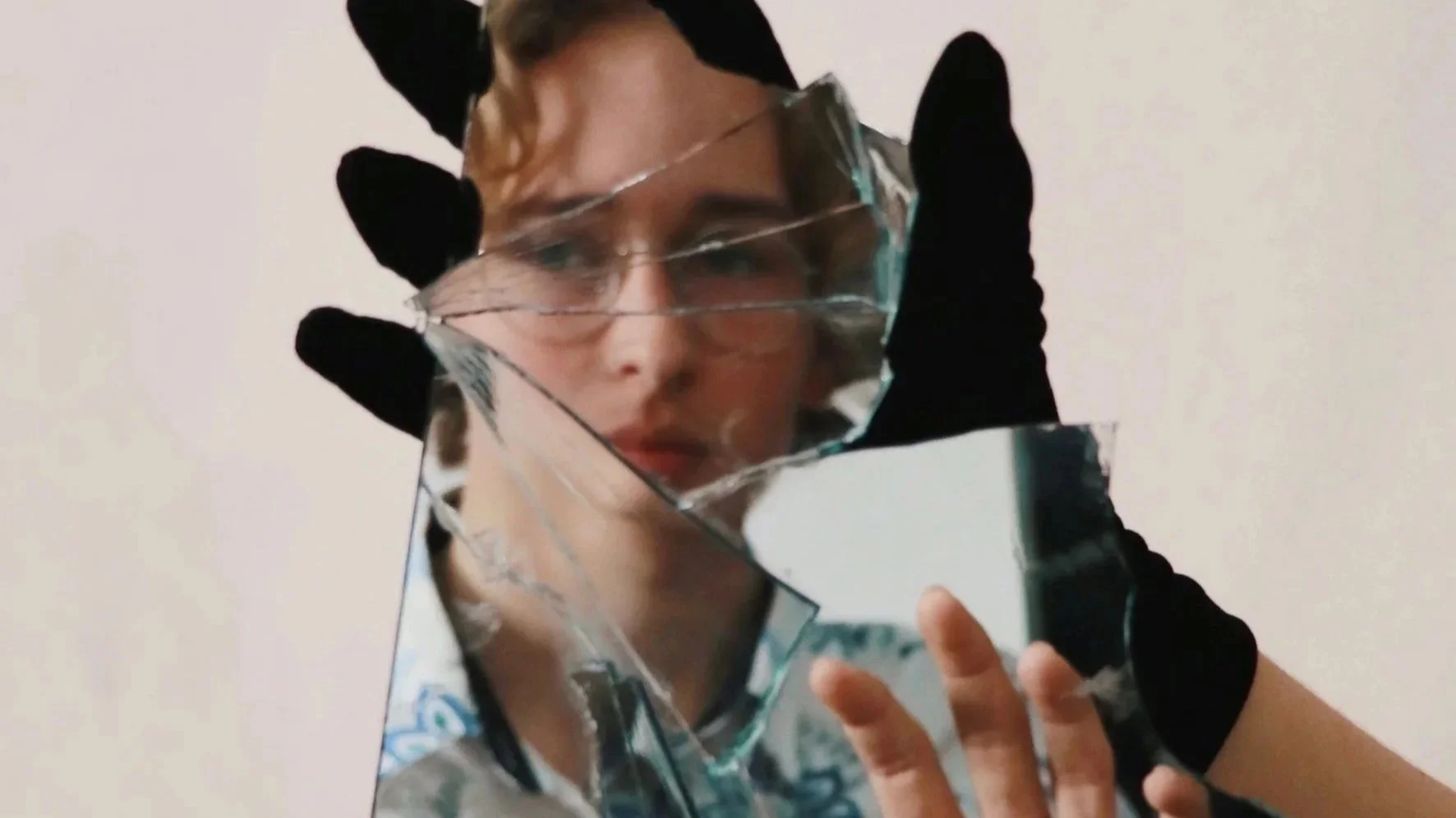
Most of us have grown up absorbing messages about which bodies are desirable, which are acceptable, and which fall short. Those messages are everywhere, in advertising, social media, pornography, film, and the casual comments of people around us. Over time, they shape not just how we see ourselves in the mirror, but how we feel in our bodies during sex.
Body image and sexual wellbeing are deeply connected. How you feel about your body affects whether you want to be seen, whether you can stay present during intimacy, and whether you allow yourself to receive pleasure. For many people, the internal critic that shows up in everyday life gets louder in sexual situations, precisely because those are moments of exposure and vulnerability.
This article is for anyone whose relationship with their body has, at some point, got in the way of their relationship with sex.
Where Negative Body Image Comes From
Body image is not formed in isolation. It develops through a combination of personal experience, relationships, and the cultural environment we grow up in.
Cultural and media standards play a significant role. The bodies most frequently held up as desirable in mainstream media are narrow, heavily filtered, and largely unrepresentative of how most bodies actually look. When the gap between those images and our own reflection feels large, it is easy to internalise the idea that our body is the problem.
Social media has intensified this considerably. The constant availability of curated, edited images creates a comparison culture that most people find difficult to opt out of entirely, even when they know intellectually that what they are seeing is not real.
Comments from others, particularly in childhood and adolescence, leave a lasting imprint. A throwaway remark from a parent, a partner, or a peer about weight, shape, or appearance can take root in ways that feel significant.
For some people, body image difficulties are connected to a history of disordered eating, chronic illness, disability, surgery, or significant physical change. The body can come to feel like something that has let you down, something to be managed or hidden rather than inhabited.
How Body Image Affects Sex
The impact of negative body image on sex is well documented and takes several distinct forms.
Spectatoring is one of the most common. Rather than being present in the experience, a person mentally steps outside of it and observes themselves, noticing how they look, what their stomach looks like, whether they look attractive from this angle. This self-conscious observation pulls attention entirely away from sensation and pleasure, making both harder to access.
Avoidance is another common response. If being seen feels threatening, people may avoid sexual situations altogether, keep the lights off, wear clothes during sex, or limit the positions or types of intimacy they are willing to engage in. While these strategies offer short-term relief from anxiety, they tend to reinforce the belief that the body needs to be hidden, and prevent the gradual building of comfort and confidence that comes from being seen and accepted.
Negative body image can also affect desire directly. It is difficult to feel sexual when you are at war with your own body. The energy that might otherwise go toward curiosity, pleasure, or connection gets absorbed by self-criticism and self-monitoring instead.
For people whose bodies have changed through illness, injury, surgery, or ageing, there may also be grief involved, a mourning for a previous version of the body, or for a sense of ease or confidence that previously felt natural.
The Role of Cultural Standards and Social Media
The standards against which most of us measure our bodies did not emerge naturally or neutrally. They are shaped by commercial interests, media industries, and cultural moments that shift across time and place. What is considered an ideal body has changed dramatically across history and continues to vary across cultures today.
The relentless nature of social media comparison does something subtle but significant. It normalises a version of the body that does not exist in reality, and makes ordinary human variation, the softness, asymmetry, marks, and changes that are part of every real body, feel like deviation rather than norm.
This does not mean that knowing this makes the feelings go away. But it is useful context to hold in mind. The discomfort you feel about your body is not evidence that your body is wrong but instead a likely result of being exposed, repeatedly and from a young age, to a very narrow idea of what bodies should look like.
Practical Ways to Shift the Relationship Between Body Image and Sex
Redirect Attention to Sensation
One of the most effective things you can do during sex is deliberately redirect your attention from how you look to how you feel. What sensations are present right now? What feels good, interesting, or connecting? This is not always easy, particularly if spectatoring is well established, but it is a skill that develops with practice.
Mindfulness-based approaches, which involve bringing gentle, non-judgemental attention to present moment experience, have good evidence behind them for improving the connection between body awareness and sexual pleasure. The goal is not to silence the internal critic entirely, but to notice it and return attention to the body rather than following the thought.
Challenge the Critical Voice
When the internal critic shows up during sex, it can help to notice it without immediately believing it. "There's that thought again" is a different response to self-critical thinking than taking it at face value. Over time, creating some distance between yourself and the thought, recognising it as a thought rather than a fact, can reduce its power.
Gradual Exposure and Being Seen
Avoiding being seen tends to maintain and strengthen body image anxiety. Gradual, low-pressure steps toward being more present and visible during sex, in whatever form feels manageable, can slowly build tolerance and eventually confidence. The goal is to gently expand your comfort zone over time, at a pace that feels manageable rather than overwhelming.
This might look like leaving a light on, trying a new position, or simply allowing a moment of stillness rather than immediately covering up. Small steps taken consistently tend to be more effective than large ones taken occasionally.
Communicate With a Partner
If body image is affecting your experience of sex with a partner, talking about it, even partially, can make a difference. Partners are often unaware of the internal experience their partner is having, and a conversation can create more space, patience, and reassurance than either person realised was possible.
You do not have to disclose everything. Something as simple as "I sometimes get in my head about how I look during sex" opens a door without requiring a full explanation.
Separate Your Worth From Your Appearance
This is easier said than done, but it is worth naming: the value you have as a person, a partner, and a sexual being is not contingent on how closely your body matches a cultural ideal. Bodies change across a lifetime. They carry history, experience, and resilience. They are the means through which you experience pleasure, connection, and sensation.
Working toward a relationship with your body that is based on what it can feel rather than how it looks, and what it allows you to experience rather than how it appears to others, is one of the most meaningful things you can do for your sexual wellbeing.
Seek Support if it is Significantly Affecting Your Life
If body image is causing significant distress, affecting your relationships, or is connected to disordered eating or other mental health difficulties, it is worth speaking to a professional. A therapist, particularly one with experience in body image, sexual wellbeing, or both, can help you understand the roots of these feelings and work through them in a supported way.
Why Sex Actually Exists
Sex Actually exists because too many people have been left out of sex education, or taught only narrow versions of what intimacy and pleasure should look like. Our aim is to offer inclusive, evidence-informed education that supports real experiences, real bodies, and real relationships. We are here to make conversations about sex, relationships, and wellbeing accessible, shame-free, and relevant for everyone, so you can understand yourself and others with greater confidence, curiosity, and care.
If this article sparked reflection or curiosity, you might like to explore our writing on pleasure, desire, anorgasmia, and intimacy after illness or injury.