
Has My Vibrator Ruined My Ability to Orgasm Without It?
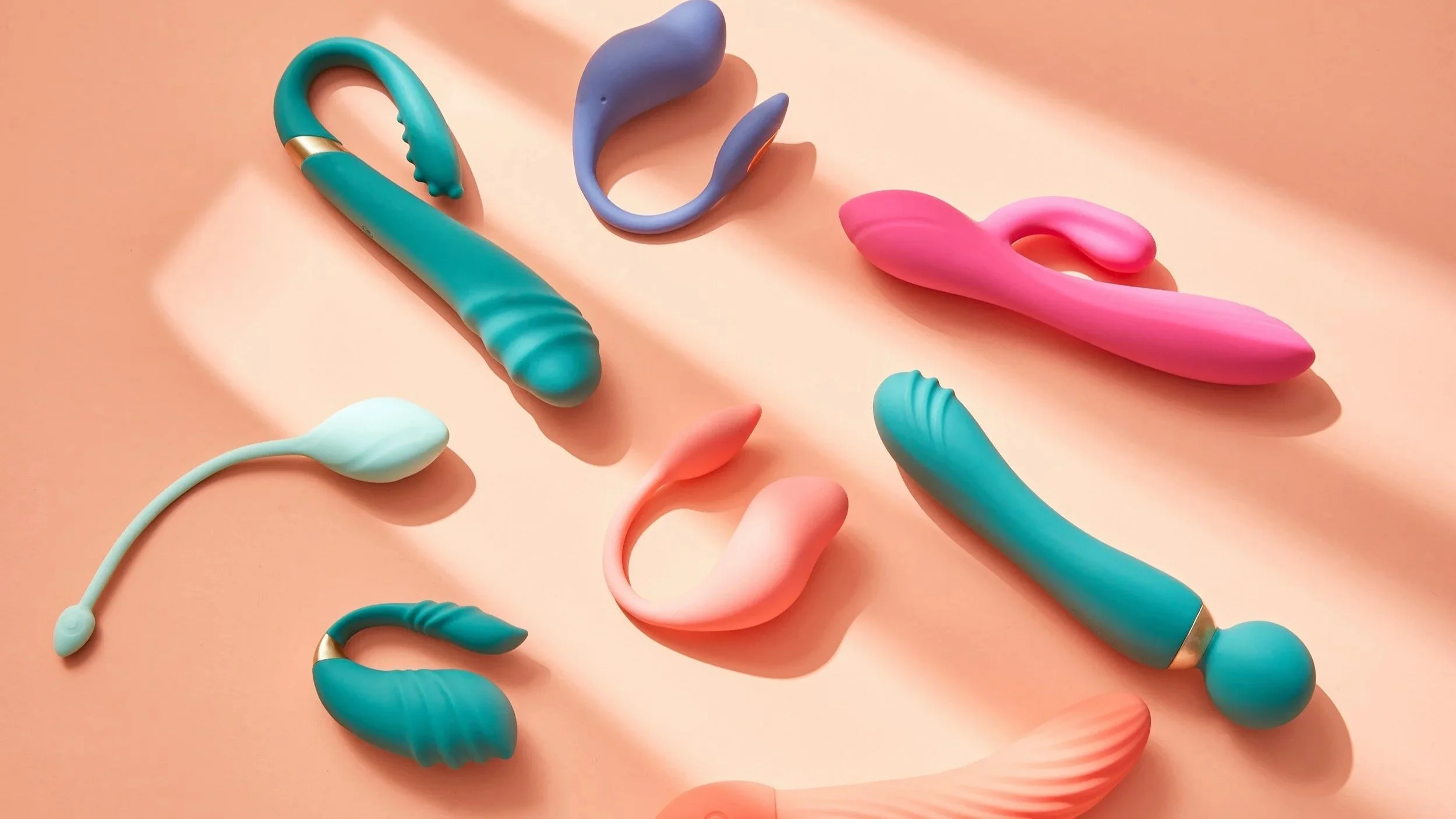
If you have found yourself wondering whether your vibrator has permanently changed your body's ability to orgasm without it, you are far from alone. It is one of the most common questions people have about sex toys, and it tends to come loaded with anxiety and sometimes guilt.
The short answer is: almost certainly not. But the longer answer is more interesting, and understanding it can genuinely change how you relate to both your vibrator and your body.
Where The Worry Comes From
The concern usually goes something like this: you have been using a vibrator regularly, you enjoy it, orgasms feel reliable and satisfying. But then you notice that orgasming without it, through manual stimulation, partnered sex, or other means, feels harder than it used to, or perhaps it always has. The vibrator starts to feel like the only way to achieve an orgasm.
This worry is understandable. But it is based on a misunderstanding of how sexual response actually works.
What Vibrators Actually Do
Vibrators work by providing consistent, targeted stimulation at an intensity that can be difficult to replicate manually. For many people, particularly those with vulvas, this kind of direct clitoral stimulation is simply an efficient and reliable route to orgasm.
When you use a vibrator regularly and orgasm consistently, your brain and nervous system are learning what works. You are, in a sense, getting better at orgasming, not worse. The pathway between stimulation and orgasm becomes more familiar and more reliable.
The vibrator has not damaged anything. Rather, it has raised the bar for what kind of stimulation you now associate with orgasm. Other forms of stimulation, which may be less intense or less precisely targeted, can feel less effective by comparison. This is not permanent neurological damage; it is a learned association, and learned associations can be updated.
Can Sensitivity Change With Vibrator Use?
There is a common belief that vibrators desensitise the genitals over time. The evidence for this is limited. Some people do report temporary numbness or reduced sensation immediately after prolonged, intense vibrator use, but this tends to resolve quickly, usually within hours.
The genitals are not like muscles that fatigue permanently. Nerve endings do not burn out from stimulation. If anything, regular sexual arousal and stimulation tends to support rather than diminish genital health and sensitivity over time.
If you have noticed reduced sensation that persists beyond a short recovery period, it is worth speaking to a GP or gynaecologist, as it may to be related to hormonal, neurological, or circulatory factors rather than to vibrator use.
Why Orgasming Without a Vibrator Can Feel Harder
If you find it more difficult to orgasm without a vibrator, there are a few likely explanations.
You have become very good at orgasming one specific way. The vibrator provides a consistent, reliable stimulus, and your nervous system has learned to respond to it efficiently. Other forms of stimulation simply require more time, patience, and attention to work as well.
Expectations and anxiety get in the way. Once you start worrying about whether you can orgasm without a vibrator, that anxiety itself becomes a barrier. The self-monitoring and pressure that anxiety creates are among the most effective ways to make orgasm harder to reach, regardless of the type of stimulation involved.
You may not have explored what else works for your body. If the vibrator has been your primary or sole means of stimulation, other approaches may simply be less familiar rather than less effective.
What You Can Do
If you want to broaden the range of stimulation that reliably leads to orgasm, the following approaches can help.
Take the pressure off entirely. Rather than trying to orgasm without the vibrator, simply explore other kinds of touch with no goal in mind. Curiosity works better than determination here. You can explore our sensate focus guides in the resources section to find out more on how to do this.
Slow down. Vibrators are efficient, which can mean that the slower, more gradual build of manual or partnered stimulation feels unfamiliar. Giving yourself more time, and genuinely staying with the sensations rather than pushing toward an outcome, allows the nervous system to respond at its own pace.
Use the vibrator as a bridge rather than a replacement. During partnered sex or solo exploration, you might use the vibrator to build arousal and then switch to other stimulation before orgasm. Over time this can help your body learn to respond to a wider range of input.
Reduce intensity gradually. If you regularly use a vibrator on its highest setting, trying lower settings can help recalibrate sensitivity and make other forms of stimulation feel more effective by comparison.
Stay present. A lot of the difficulty in orgasming through less intense stimulation comes from attention drifting or impatience setting in. Practising staying connected to sensation, rather than monitoring progress toward orgasm, makes a real difference.
A Note on Using Vibrators With a Partner
Some people feel embarrassed about needing or wanting vibrator stimulation during partnered sex, as though it implies something is lacking in the encounter or the relationship. It does not. Incorporating a vibrator into partnered sex is simply another way of ensuring that the stimulation that works for your body is present. Many couples find it a genuinely enjoyable addition rather than a source of awkwardness.
The Bigger Picture
Vibrators are tools, and like all tools, they work best when used as part of a broader relationship with your own pleasure rather than as the only route to it. If yours has become the only reliable way you can orgasm, that is worth exploring with curiosity rather than alarm. Consider it an invitation to get to know your body a little more.
Why Sex Actually Exists
Sex Actually exists because too many people have been left out of sex education, or taught only narrow versions of what intimacy and pleasure should look like.
Our aim is to offer inclusive, evidence-informed education that supports real experiences, real bodies, and real relationships. We are here to make conversations about sex, relationships, and wellbeing accessible, shame-free, and relevant for everyone, so you can understand yourself and others with greater confidence, curiosity, and care.
If this article sparked reflection or curiosity, you might like to explore our writing on pleasure, anorgasmia, desire, and sexual exploration.